April 1, 2026
This article explores the role roofing contractors play in assessing and repairing storm damage. When storms strike, roofs are often the first line of defense against the elements and can sustain significant damage. Understanding how contractors respond after such events helps homeowners anticipate the steps involved in inspection, repair, and restoration.
Storm damage situations can vary widely depending on the severity of the weather and the condition of the roof beforehand. According to Lending Tree, the average new single-family home sold in the U.S. in 2024 was 2,404 square feet, down 11.2% from 2,707 square feet in 2014. Roof size, layout, and materials all play a role in how damage is assessed and addressed, which is why professional evaluation is an important first step.
Immediate Actions After a Storm
Conduct Initial Assessments and Safety Checks
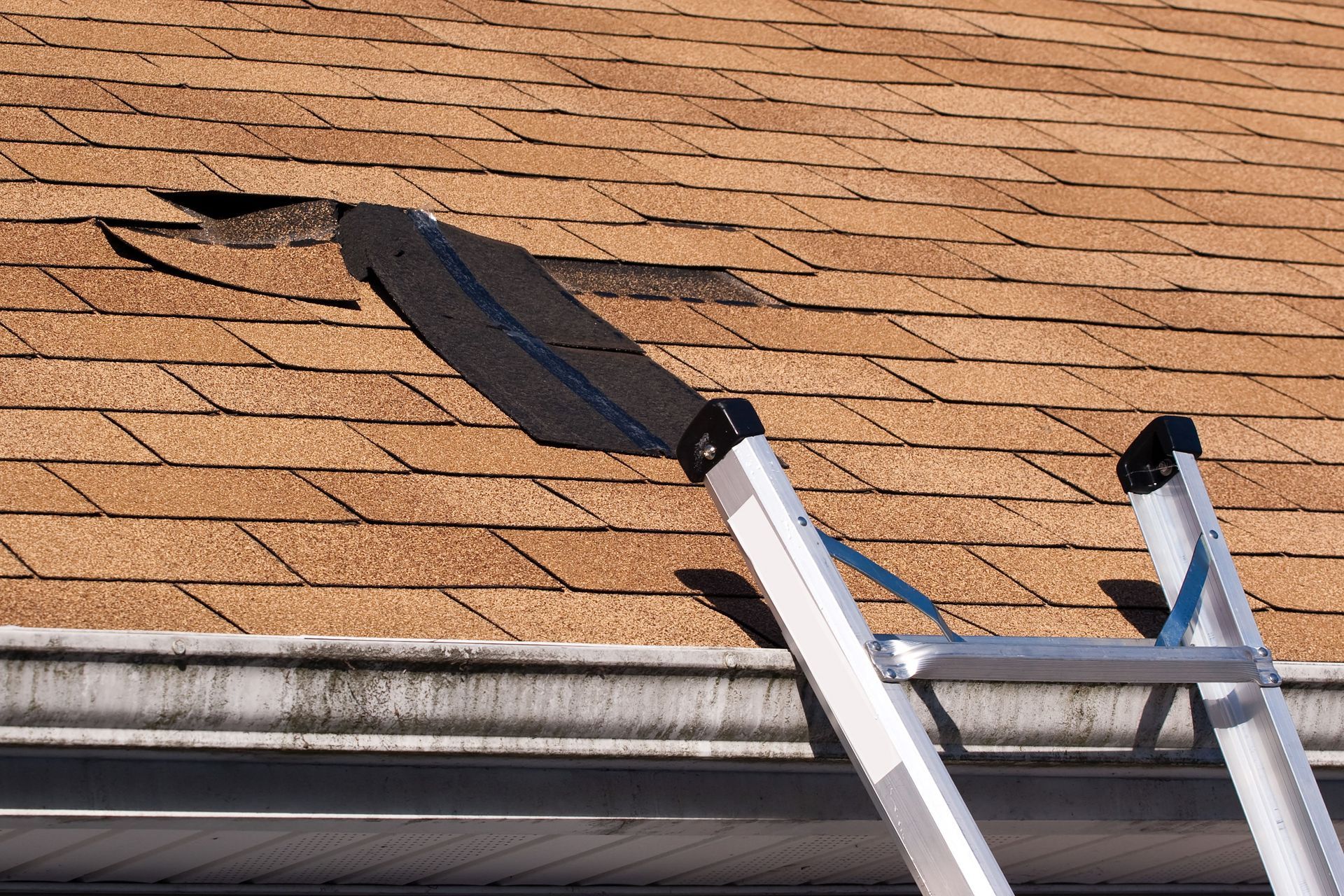
Usually, after a storm, roofing contractors begin with a detailed on-site inspection to evaluate visible damage and ensure the area is safe to access. This includes checking for missing or damaged shingles, compromised flashing, debris accumulation, and any obvious signs of leaks or structural concerns related to the roof system. These observations help establish a clear understanding of the roof's condition.
Safety is a priority during this stage, and conditions are carefully reviewed before proceeding further. The inspection process helps prevent additional risks while allowing contractors to identify problem areas that require attention. By documenting findings early, they can develop a structured plan for addressing repairs or replacements.
Apply Temporary Protection Measures
When immediate repairs are not possible, contractors may take steps to temporarily protect exposed areas of the roof. These measures are intended to help limit further damage caused by rain or additional weather exposure. Temporary solutions help maintain the condition of the property while longer-term repairs are arranged.
Temporary protection helps preserve the interior of the home and prevents existing issues from worsening while a permanent repair plan is developed. This approach is especially useful when weather conditions delay full restoration work. It also helps reduce the likelihood of additional complications developing before repairs can begin.
However, in some cases, these measures are implemented quickly to stabilize vulnerable sections of the roof. Contractors typically like to use available materials and practical techniques to minimize exposure to the elements. This step provides a buffer period that allows for proper planning and scheduling of more permanent solutions.
Storm Damage Evaluation
Perform Visual Inspections
Overall, visual inspections are a primary method used to evaluate storm damage. Roofing contractors carefully examine the roof surface to identify issues such as missing shingles, cracks, punctures, or displaced materials. They also inspect key components such as flashing, vents, skylights, soffits, and gutters to determine whether additional exterior elements have been affected.
This process is systematic and thorough, ensuring that both obvious and less visible issues are documented. Contractors may also check for signs of water intrusion or wear that could indicate underlying damage requiring attention. Each observation contributes to a complete picture of the roof's condition.
Repair Services
Handle Minor Repairs for Localized Damage
Contractors handle minor repairs such as replacing damaged shingles, re-securing loose materials, and addressing small leaks. These repairs help restore the roof's function and prevent minor issues from developing into more significant problems over time. Prompt attention to these issues helps maintain overall roof performance.
Even small areas of damage can affect the overall performance of a roofing system. Addressing these concerns early helps maintain protection against weather exposure and preserves surrounding materials. Timely repairs also help extend the usable life of the roof system.
Perform Major Repairs and Roof Replacement
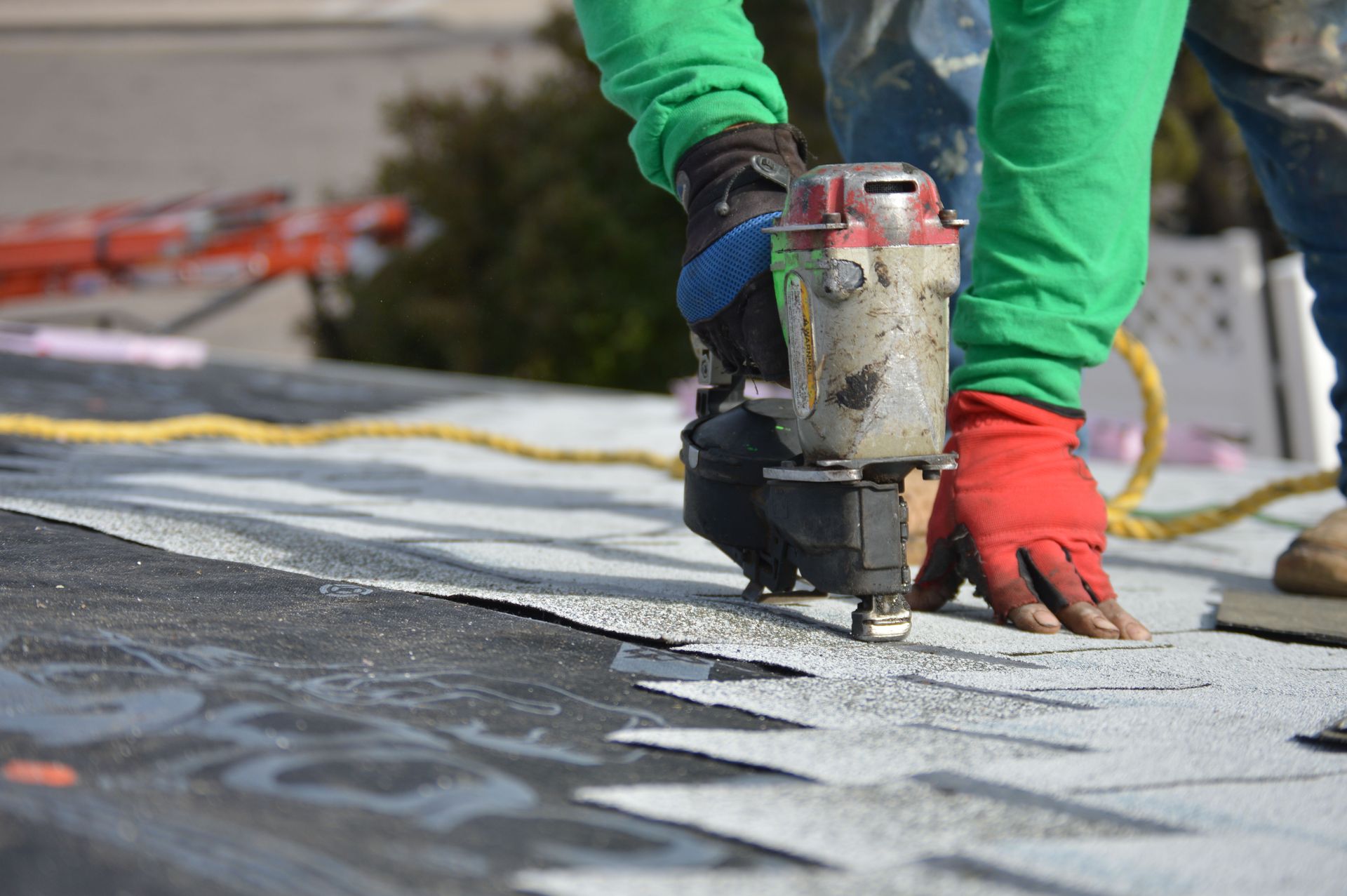
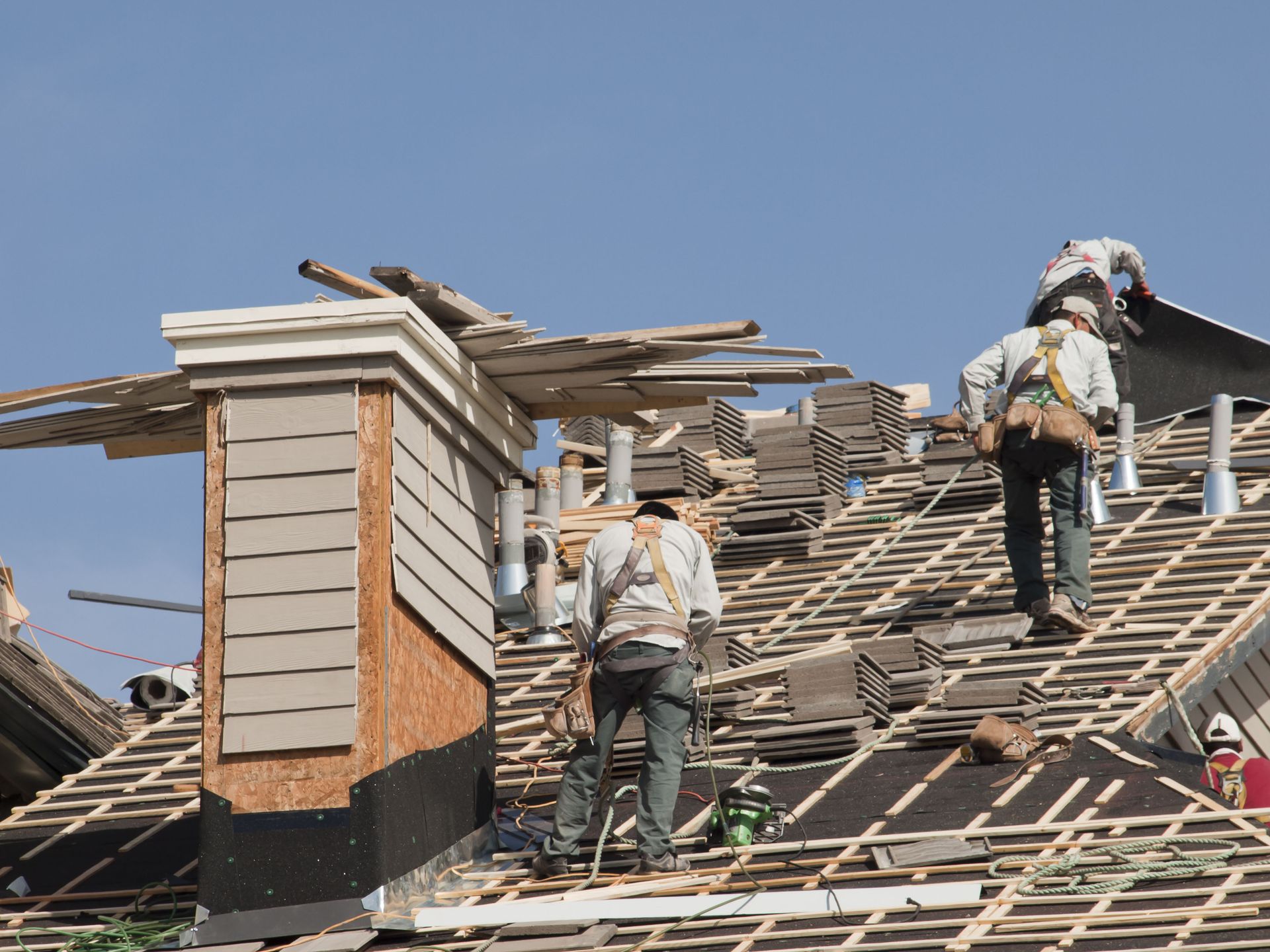
In cases where storm damage is extensive, contractors may recommend larger-scale repairs or a full roof replacement. This typically involves removing existing roofing materials, inspecting the underlying roof structure, and installing new underlayment and roofing components. The process is carried out in a structured sequence to ensure proper installation.
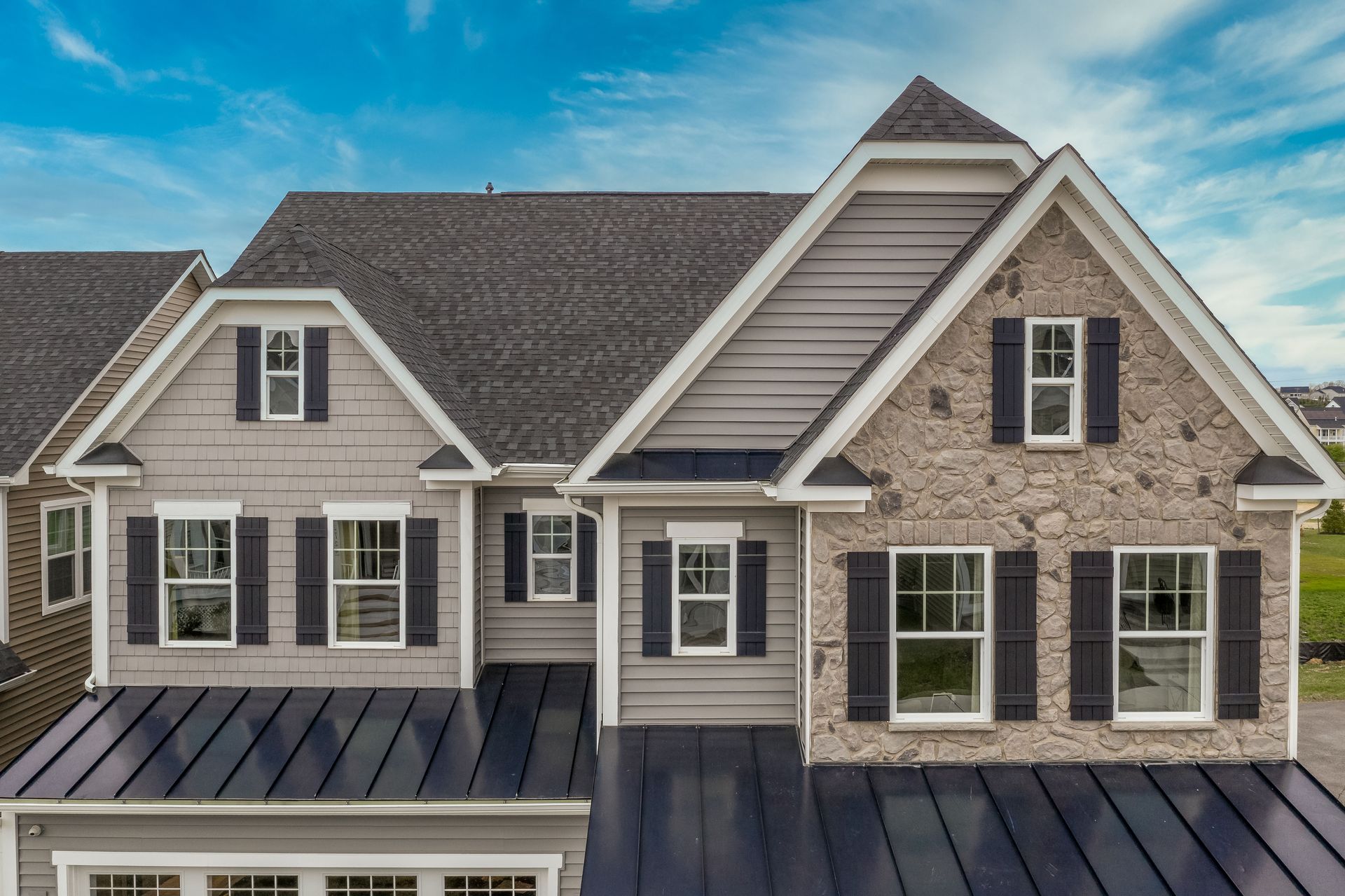
Roof replacement ensures that damaged sections are fully addressed and that the roof is restored to an efficient condition. Contractors work to properly install materials and integrate all components, including shingles or alternative roofing systems, flashing, and ventilation elements. Each component must function together to create a complete roofing system.
Insurance Claim Support
Provide Documentation and Estimates
Contractors assist homeowners by documenting visible storm damage and preparing detailed estimates for repair work. This documentation may include photographs, inspection notes, and itemized descriptions of the required services. These materials help clearly outline the scope of necessary work.
Clear and organized information helps homeowners present accurate details to their insurance providers. Contractors can also explain the condition of the roof and outline the recommended scope of repairs based on their assessment. This support helps ensure that all relevant details are communicated effectively.
Common Challenges Faced by Roofing Contractors
Address Weather Conditions and Timing
Weather conditions can impact the timing and progression of roofing work following a storm. Additional rainfall or unstable conditions may delay repairs or require adjustments to scheduling. Contractors monitor conditions closely to ensure work is completed safely and effectively.
Timing plays an important role in preventing further damage to exposed roofing systems. Delays can increase the risk of additional issues developing if the roof remains unprotected. Coordinating work schedules around weather patterns helps minimize these risks.
Manage the Availability of Materials
After widespread storm events, increased demand for roofing materials can affect availability. Contractors coordinate with suppliers to source necessary materials and keep projects moving forward. Managing supply timelines is an important part of the repair process.
Planning and resource management play an important role in minimizing delays. Contractors often anticipate potential shortages and adjust schedules accordingly. This helps maintain steady progress even when material demand is high.
Maintaining dependable access to materials supports efficient project completion. Roofing contractors may explore alternative sourcing options if needed to keep work on track. This ensures that repairs can proceed once materials are secured.
Homeowner Preparation
Conduct Regular Roof Inspections
Routine roof inspections help identify potential issues before they worsen. Addressing minor concerns such as loose shingles, small leaks, or worn components can reduce the likelihood of more serious damage during a storm. Regular upkeep supports long-term roof performance.
Regular maintenance helps preserve the condition of the roof and supports overall durability. Inspections provide insight into areas that may need attention and allow homeowners to plan ahead. This proactive approach can help reduce unexpected repair needs.
Select a Qualified Roofing Contractor
Selecting an experienced roofing contractor is an important step in preparing for and responding to storm damage. Homeowners benefit from working with professionals who can provide inspections, repairs, and guidance on maintaining exterior roofing systems and related components such as gutters, siding, windows, and skylights. This support helps ensure that all aspects of the exterior are properly evaluated.
Roofing contractors play an essential role in responding to storm damage by inspecting affected areas, identifying necessary repairs, and restoring roofing systems to proper condition. Their work includes evaluating visible damage, performing repairs or replacements, and helping homeowners understand the condition of their roof and the steps needed for recovery.
For homeowners seeking professional roofing and exterior services, Sequoia Roofing and Construction operates as a local provider specializing in roofing installation, repair, replacement, and related exterior services, including gutters, siding, windows, skylights, decks, and patios. Reach out today to learn more.