November 4, 2026
A roof protects buildings from rain, snow, wind, and temperature changes. When roofing materials deteriorate or become damaged, water can reach ceilings, walls, insulation, and other structural components. Understanding common causes of leaks helps property owners recognize warning signs. A local roofing contractor can identify moisture entry points, assess damage, and recommend appropriate repairs before problems become more extensive.
How Aging Roofing Materials Cause Roof Leaks
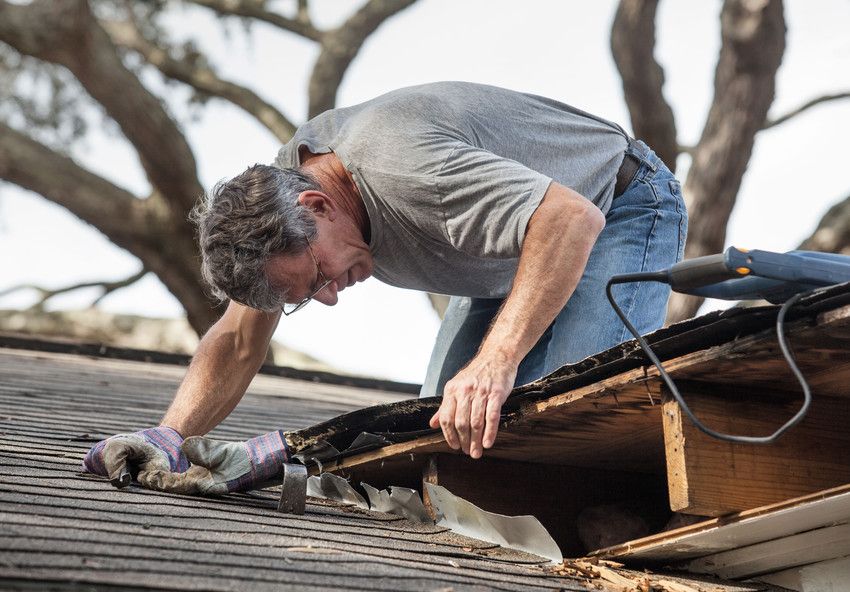
Sunlight, temperature changes, rain, and wind gradually wear down roofing materials. Asphalt shingles may crack, curl, or lose granules, while metal roofs can develop problems with seams, fasteners, or protective coatings. Deterioration depends on material quality, installation, maintenance, and climate. Although an older roof may remain functional, recurring leaks, widespread damage, or frequent repairs can indicate that professional evaluation is necessary to determine appropriate next steps.
A local roofing contractor can assess the visible condition of the roofing system, identify areas where water may be entering, and explain whether targeted repairs or replacement should be considered. Addressing deterioration early may help limit damage to the structure and protect the building's interior.
How Severe Weather Causes Roof Leaks and Water Damage
Severe weather can damage roofs through strong winds, heavy rain, hail, and falling branches. Winds may loosen shingles or flashing, while hail can weaken roofing materials without causing immediate leaks. Damage is not always visible from the ground, and water may travel beneath the surface before appearing indoors. Seasonal conditions also contribute to roof problems. Autumn storms bring wind and debris, winter creates snow and freeze-thaw cycles, spring rainfall exposes weaknesses, and summer storms may produce heavy precipitation or hail.
After significant weather, property owners should pay attention to new ceiling stains, damp walls, unusual dripping sounds, or visible debris damage. A local roofing contractor can conduct an appropriate assessment and recommend repairs based on the roof's condition. Prompt attention helps property owners understand the extent of the damage and plan the next steps.
How Damaged Flashing Allows Water Into the Roof
Flashing directs water away from vulnerable roof joints and transitions, including areas around chimneys, skylights, vents, dormers, and roof-to-wall intersections. Leaks can develop when flashing becomes loose, corroded, cracked, or improperly installed, allowing rainwater beneath nearby materials. Sealants may also deteriorate with age and weather exposure.
However, applying sealant alone may not resolve underlying flashing defects. Professional evaluation can identify the source of moisture and determine whether repairs or replacement are needed to protect the building from further water damage.
Signs of flashing problems may include water stains near a chimney, damp drywall around a skylight, or moisture appearing along an exterior wall after rainfall. Because these areas often involve multiple roofing components, identifying the source requires careful evaluation.
A local roofing contractor can inspect flashing and surrounding materials to determine whether repairs, replacement, or adjustments are necessary. Properly addressing these transitions helps maintain the roof's ability to direct water away from vulnerable areas.
How Clogged Gutters Cause Roof Leaks and Water Damage
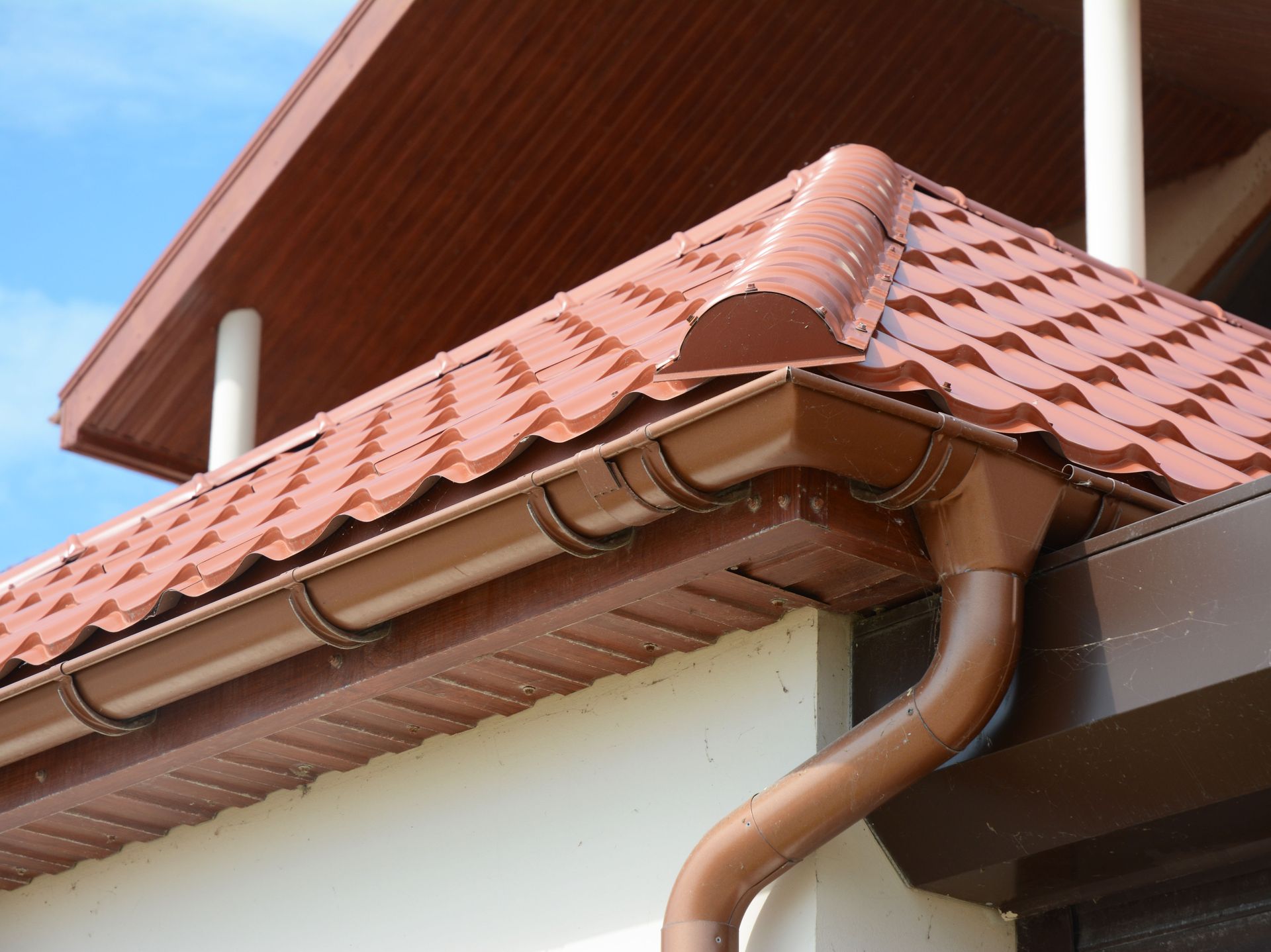
Gutters and downspouts direct rainwater away from the roof and foundation. When clogged with leaves, twigs, or shingle granules, they can cause water to collect near roof edges, potentially damaging fascia boards, soffits, and nearby materials. Seasonal changes, including autumn leaves, spring rainfall, and winter ice, can worsen drainage problems. Roof valleys also need to channel runoff effectively. Damaged gutters, loose joints, or poorly positioned downspouts may prevent proper drainage, increasing the risk of leaks and moisture damage around the building.
Signs of drainage trouble include overflowing gutters during rain, water stains beneath the roof edge, sagging gutter sections, and recurring moisture near exterior walls. Property owners should arrange professional attention when these symptoms persist. A local roofing contractor can evaluate roof edges, drainage components, and nearby materials to determine whether repairs are needed.
How Poor Ventilation and Condensation Cause Roof Moisture
Not all moisture problems result from roof leaks. Condensation forms when warm, humid air contacts colder surfaces, potentially affecting attic framing, insulation, and other components. Warning signs include musty odors, damp insulation, discoloration, and water droplets.
Unlike rain-related leaks, condensation may occur during cold weather or periods of high indoor humidity. Poor ventilation, inadequate insulation, and air leakage can contribute to moisture buildup. Identifying the underlying cause is essential because the appropriate solution depends on the building's design, ventilation, and overall moisture control.
A local roofing contractor can help determine whether visible moisture is associated with roof damage, ventilation concerns, or another building issue. Where necessary, additional evaluation by an insulation, ventilation, or building-envelope professional may help identify contributing factors. Distinguishing between condensation and a leak is important because treating the wrong cause may allow the problem to continue.
How Ice Dams and Freeze-Thaw Cycles Cause Roof Leaks
In colder climates, winter weather can create conditions that allow water to enter beneath roofing materials. Ice dams may form when snow melts on warmer portions of a roof and refreezes near colder eaves. As ice accumulates, it can obstruct normal drainage and allow water to back up beneath shingles or other roofing materials.
The underlying causes often involve uneven roof temperatures, heat loss into the attic, and weather conditions that encourage repeated melting and freezing. Ice dams are not simply a roofing-material problem; insulation, air sealing, ventilation, and the building's overall thermal performance can influence their development.
Freeze-thaw cycles can also affect flashing, sealants, and other roof components. Water entering small gaps may freeze and expand, potentially worsening existing weaknesses over time. Once temperatures rise, moisture may reach the roof deck, insulation, ceilings, or walls.
Interior warning signs can include stains near exterior walls, peeling paint, damp attic materials, and dripping water during a thaw. These symptoms deserve prompt attention, particularly if moisture continues after the weather changes.
Professional assessment can help determine whether the issue involves roofing damage, heat loss, drainage, or a combination of factors. A local roofing contractor can evaluate the roofing components and explain which repairs or related improvements may help reduce the likelihood of recurring winter moisture problems.
How Roofing Material Deterioration Increases Leak Risks
Roofing materials differ in durability, maintenance requirements, weather resistance, and expected service life. As materials age, cracks, weakened seams, worn coatings, and deteriorating underlayment can create pathways for moisture. Choosing a suitable roofing system and maintaining it appropriately can help reduce the risk of leaks over time.
According to Roof Gnome, metal roofing may have a lifespan of as long as 100 years. Actual longevity varies with the metal type, protective finish, installation quality, maintenance, and exposure to severe weather. This potential lifespan illustrates why property owners should evaluate long-term performance alongside initial cost when comparing roofing options.
Asphalt shingles, metal panels, tile, and other roofing materials each have advantages and limitations. Some systems may require more frequent inspections or specialized repairs, while others have particular structural or installation requirements. No single material is ideal for every building.
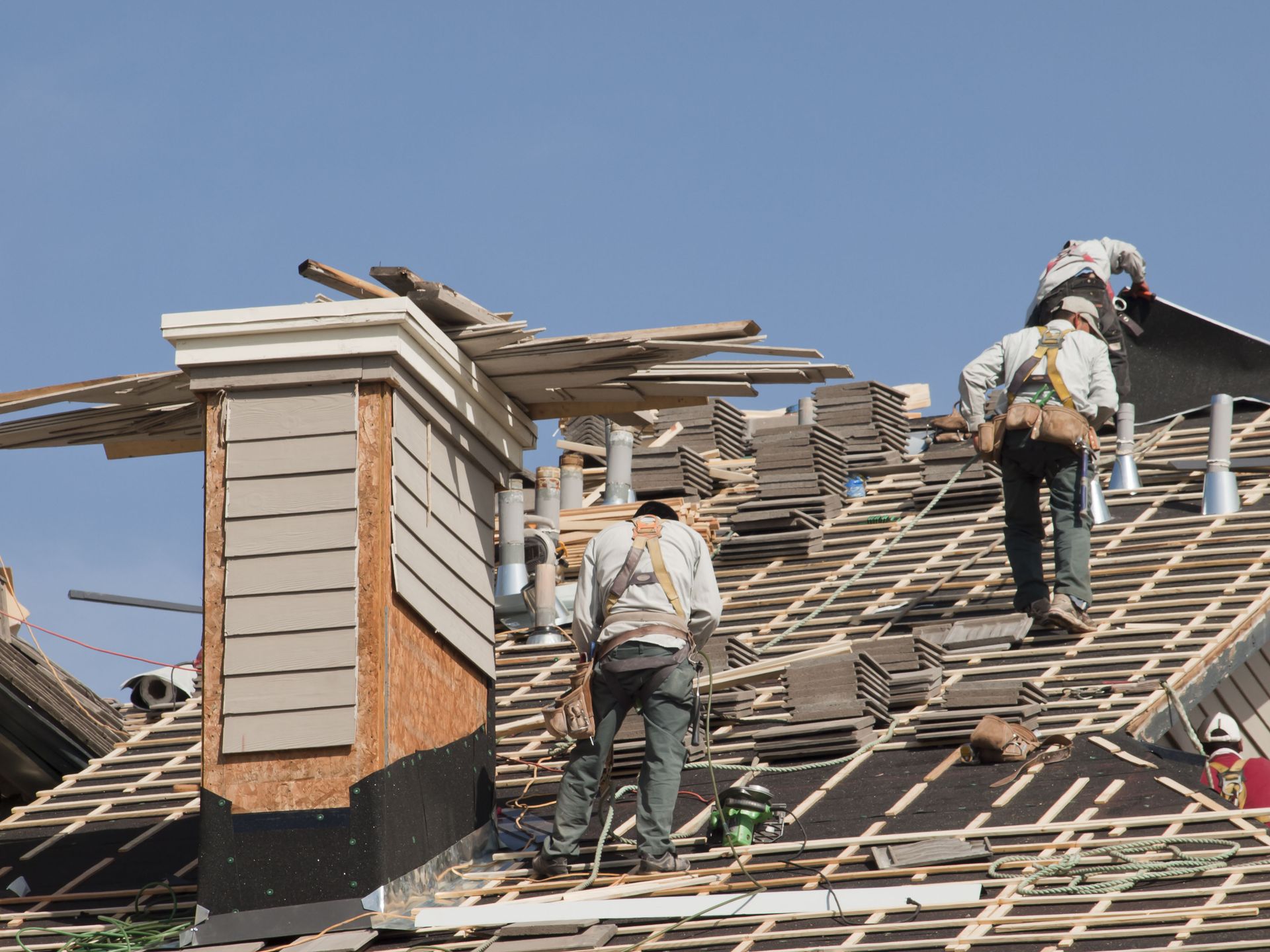
When planning roof replacement, a local roofing contractor can assess the roof deck, flashing, underlayment, and drainage to identify potential problems. Prompt inspections and repairs help prevent leaks from damaging insulation, wood framing, and interior finishes. Addressing moisture early also reduces safety risks and supports long-term roof performance.
Maintaining a roof is an investment in the building's protection and long-term condition. By understanding common causes of leaks and addressing problems early, property owners can make informed decisions about repairs, maintenance, and replacement. Sequoia Roofing & Construction can help property owners evaluate roofing concerns and determine appropriate next steps for protecting their buildings. Contact Sequoia Roofing & Construction to learn more and request professional roofing assistance.