October 31, 2026
Gutters play an important role in protecting a home by directing rainwater away from the roof, siding, foundation, and surrounding landscape. When gutters become damaged, clogged, or improperly positioned, water may overflow and contribute to costly property damage. Recognizing the warning signs early helps homeowners determine when repairs may be sufficient and when a complete replacement is the better option. A qualified residential roofing company can inspect the existing gutter system and identify problems that may not be obvious from the ground. Age, weather exposure, poor installation, and inadequate maintenance can all affect gutter performance over time. While routine cleaning can resolve some issues, persistent leaks, structural damage, and recurring drainage problems may indicate that the system has reached the end of its useful life. Understanding these signs can help homeowners make informed decisions and protect their property's exterior.
Identifying Persistent Leaks and Water Damage
Leaking gutters are one of the clearest indications that a system may need attention. Small leaks can develop at seams, corners, joints, and connection points where sealants have deteriorated. A residential roofing company can examine these areas to determine whether localized repairs will restore proper drainage or whether replacement is more practical. Homeowners should pay attention to water dripping from joints even when the gutters are relatively clean. Persistent moisture can stain siding, damage exterior paint, and contribute to wood deterioration around fascia boards. Water may also collect near the foundation if leaks prevent rainwater from reaching the downspouts. Temporary sealants may provide short-term relief, but recurring leaks often indicate deeper wear or failing connections. Addressing these issues promptly helps prevent minor gutter problems from developing into more extensive repairs.
Recognizing Sagging and Detached Gutters
Gutters should remain securely attached to the roofline and maintain a consistent slope toward their downspouts. When sections begin to sag, pull away from the fascia, or appear uneven, the system may no longer support the weight of rainwater and debris properly. An experienced residential roofing company can assess whether loose fasteners, damaged mounting points, or deteriorated gutter materials are responsible. Sagging may result from years of exposure to heavy rainfall, accumulated leaves, ice, or other debris. If the supporting fascia has begun to rot, simply tightening the fasteners may not provide a lasting solution. Detached sections can also allow water to run behind the gutter and reach vulnerable parts of the home's exterior. Homeowners should avoid attempting repairs from ladders without appropriate safety precautions. When damage affects multiple sections, replacing the system may provide a more dependable long-term result.
Observing Rust, Cracks, and Material Deterioration
Visible deterioration can indicate that gutters are struggling to withstand regular exposure to the elements. Metal gutters may develop rust or corrosion, while other materials can crack, split, or become brittle as they age. A residential roofing company can inspect the full system to determine how extensive the deterioration has become. Small isolated defects may be repairable, but widespread cracking or corrosion can make continued maintenance less effective. Damaged surfaces may allow water to escape before it reaches the downspouts. Homeowners should also check for peeling finishes, holes, and sections that appear warped or misshapen. These issues can worsen as temperatures fluctuate and storms place additional stress on the materials. Replacing heavily deteriorated gutters helps restore a continuous drainage path and reduces the likelihood of repeated repairs.
Noticing Overflow During Ordinary Rainfall
Gutters are designed to collect roof runoff and carry it safely away from the building. If water regularly spills over the edges during ordinary rainfall, the system may have a blockage, inadequate capacity, an incorrect slope, or damaged components. A residential roofing company can evaluate the gutters, downspouts, and roof drainage patterns to identify the underlying cause. Cleaning may solve the problem when leaves, twigs, or sediment are restricting water movement. However, overflow that continues after cleaning may indicate that the existing system cannot handle the amount of runoff it receives. Water cascading over gutter edges can soak landscaping, stain siding, and contribute to soil erosion near the foundation. Homeowners should observe whether overflow occurs in isolated locations or across several sections. A professional assessment can help determine whether repairs, improved drainage, or new gutters are necessary.
Examining Water Damage Around the Foundation
Gutter problems can affect more than the roofline because poorly directed rainwater may accumulate around a home's foundation. Homeowners should look for soil erosion, persistent puddles, unusually damp basement areas, or water collecting near foundation walls after storms. A residential roofing company can check whether the gutter system and downspouts are directing runoff away from the property as intended. Downspouts that discharge too close to the foundation may need extensions or other drainage improvements. In some cases, damaged or undersized gutters prevent water from being carried away efficiently. Water-related foundation concerns can have several causes, so gutter replacement alone may not resolve every issue. Promptly investigating drainage problems helps homeowners identify the appropriate corrective measures before damage becomes more extensive. Maintaining effective roof drainage is an important part of protecting the home's structure and surrounding ground.
Evaluating Gutter Age and Repair Frequency
Even well-maintained gutters eventually experience wear from weather, debris, and repeated exposure to moisture. Older systems may develop several problems at once, making individual repairs increasingly frequent and expensive. A residential roofing company can evaluate the gutter material, installation quality, visible damage, and maintenance history before recommending replacement. Homeowners should consider how often leaks return and whether new defects appear shortly after repairs are completed. According to Roofing Contractor, more than five million new roofs are installed annually, reflecting the ongoing need to maintain and update residential roofing systems. Gutter condition should be assessed alongside the roof because both systems work together to manage rainwater. If the roof is being replaced, it may be practical to inspect the gutters and determine whether they should also be upgraded. Comparing likely repair costs with replacement costs can help homeowners choose a solution that provides better long-term value.
Checking for Poor Drainage and Improper Slope
Proper gutter slope allows gravity to move rainwater toward the downspouts without leaving large amounts of standing water behind. If sections are installed too level or slope in the wrong direction, water may pool and carry sediment into low areas. A residential roofing company can check alignment, hanger spacing, outlet locations, and the overall drainage layout. Standing water adds weight to the system and may accelerate deterioration or contribute to sagging. Poor drainage can also encourage debris accumulation and create conditions that attract insects. Homeowners may notice water remaining in the gutters long after rainfall has stopped. Adjustments can correct minor slope issues, but warped materials or widespread installation problems may justify replacement. A properly designed system helps move runoff efficiently and reduces stress on the gutters and their supporting components.
Choosing a Replacement System for Lasting Protection
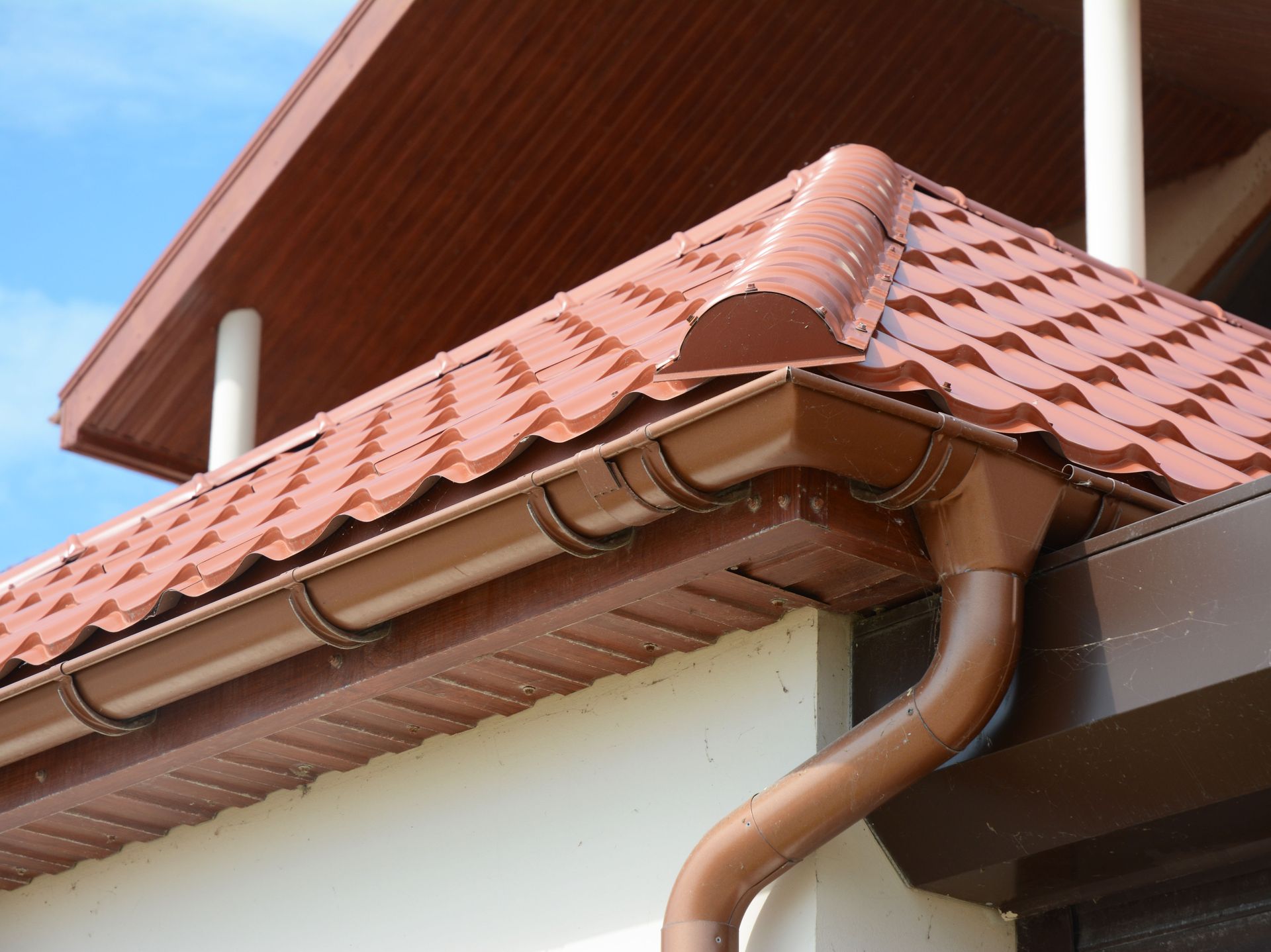
When replacement becomes necessary, homeowners should consider gutter size, material, roof design, rainfall patterns, and the home's drainage requirements. Aluminum gutters are popular for residential properties because they are relatively lightweight and available in different finishes. Other materials may suit specific architectural styles, budgets, or durability preferences. A residential roofing company can help evaluate these options and recommend a system that fits the property. Seamless gutters may reduce the number of joints where leaks can develop, although corners and outlets still require proper installation. Downspouts must also be positioned to carry water away from vulnerable areas around the home. Homeowners should ask about installation methods, maintenance needs, and the condition of the fascia before work begins. Choosing a suitable system and having it installed correctly can help improve drainage performance for years to come.
Recognizing gutter problems early can help homeowners avoid unnecessary water damage and recurring repair expenses. Leaks, sagging sections, corrosion, overflow, and poor drainage are all reasons to arrange a professional inspection. Sequoia Roofing and Construction can help assess your home's exterior drainage needs and determine whether gutter repairs or a new installation are appropriate. Contact us to discuss your gutter concerns and explore options for protecting your home from rainwater damage.