March 13, 2026
Selecting the right roofing material is one of the most important decisions a homeowner can make. The roof affects protection, energy performance, curb appeal, and long-term maintenance requirements. When planning a new installation or evaluating reroofing options, it is essential to understand how different materials perform in real-world conditions. A thoughtful approach helps ensure the investment aligns with both immediate needs and long-term goals. Whether you are building new or considering reroofing, the right material choice can significantly influence comfort, durability, and overall home value.
Understanding Common Roofing Materials With Their Core Benefits
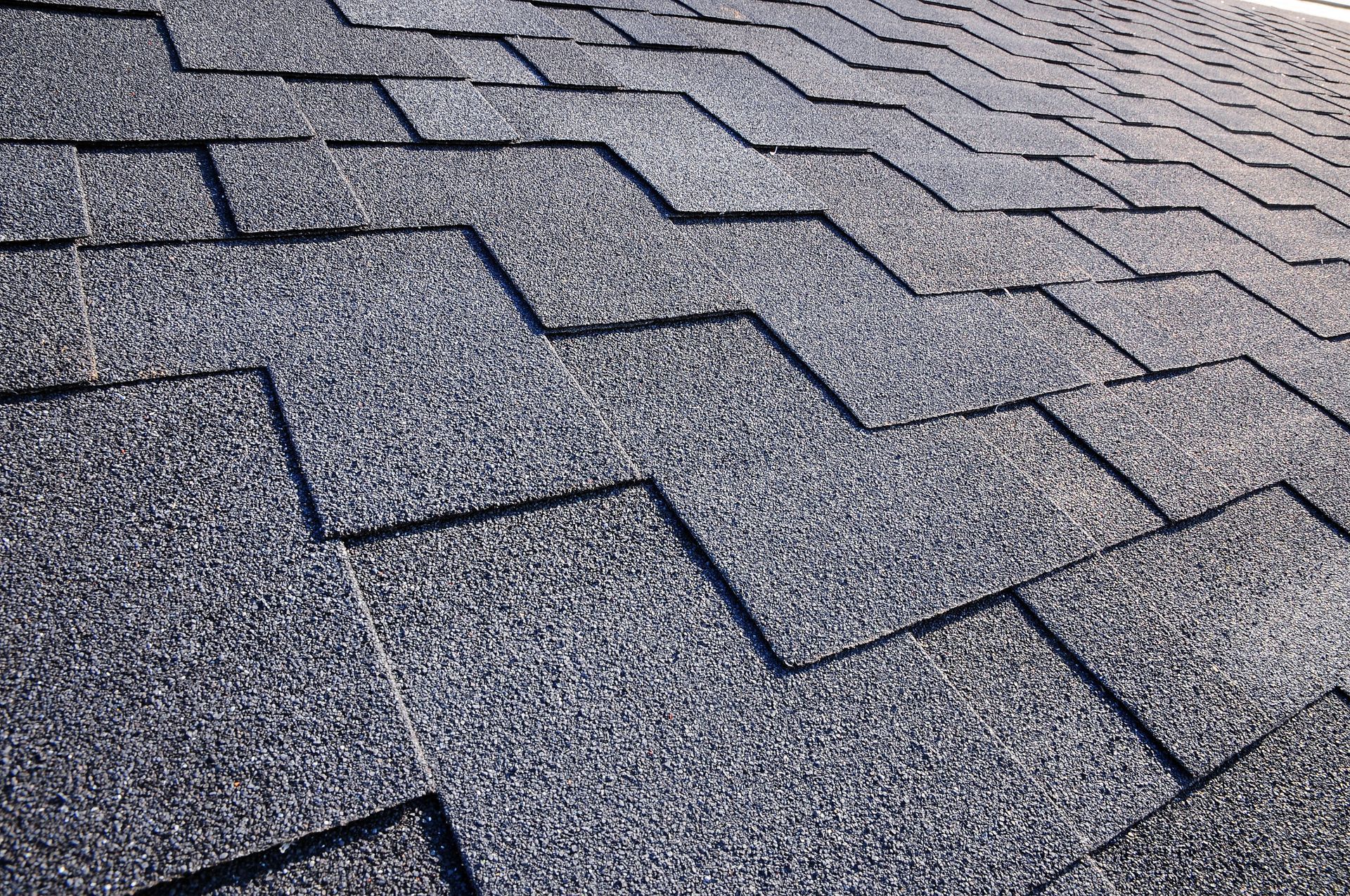
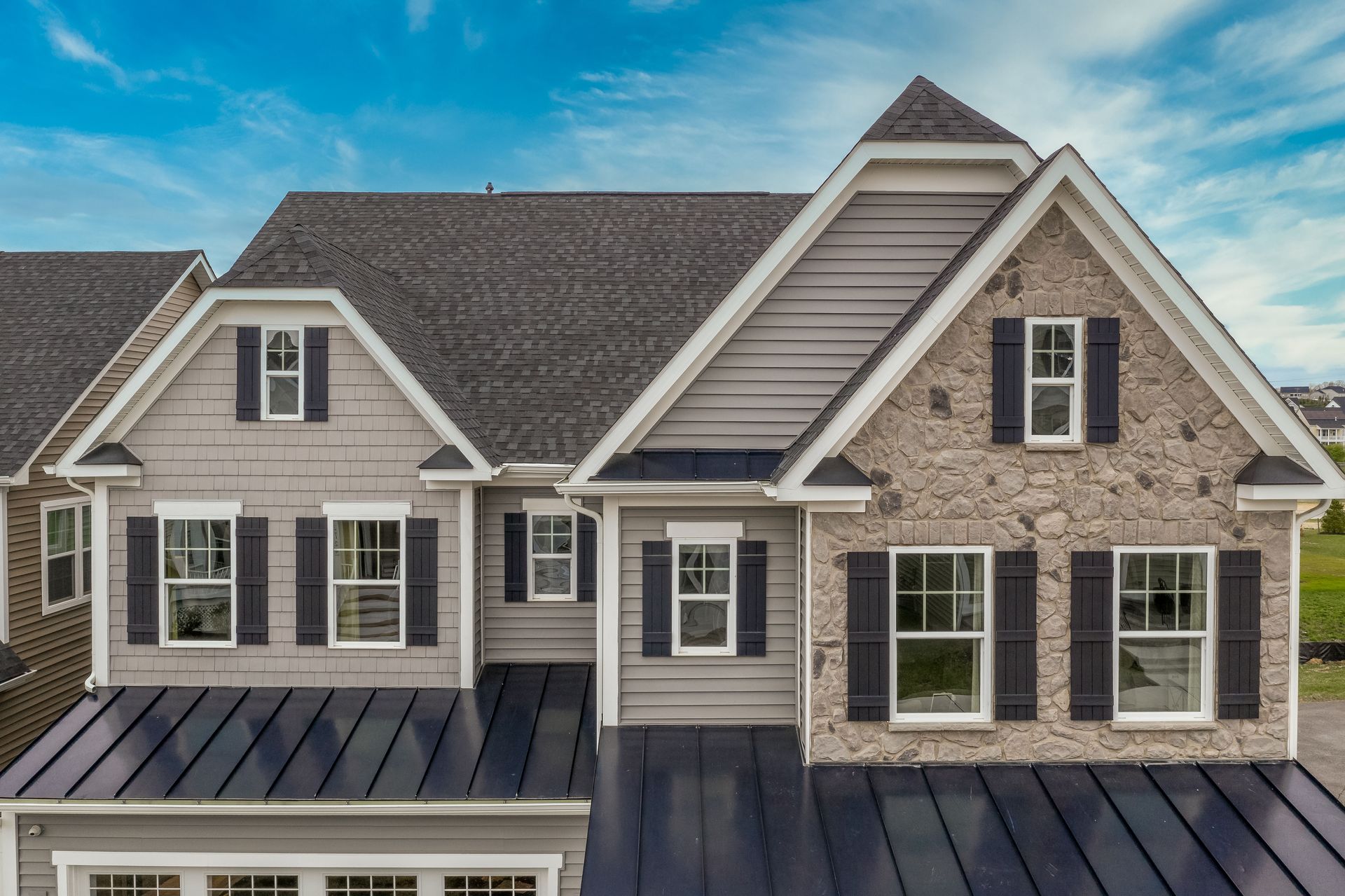
Homeowners evaluating roofing options will encounter several widely used materials, each offering distinct advantages. Asphalt shingles remain the most common choice due to affordability, availability, and straightforward installation. They are often selected for roofing projects because they balance cost and performance effectively. Metal roofing has grown in popularity due to durability, energy efficiency, and low maintenance requirements. According to This Old House, metal roofing materials can often last up to 50 years, making them a long-term option for homeowners planning future reroofing investments.
Wood shakes provide natural texture and visual warmth that complement traditional architecture. However, they require consistent maintenance to prevent moisture damage and insect activity. Tile roofing, including clay and concrete options, delivers strong fire resistance and long service life. Slate roofing is among the most durable materials available and can last for decades with proper care. When planning reroofing, homeowners should compare longevity, structural requirements, and maintenance expectations to determine which material best aligns with their property.
Evaluating Climate Conditions With Environmental Performance
Climate plays a central role in selecting roofing materials and planning reroofing projects. Regions with heavy rainfall or snow accumulation require materials that resist moisture penetration and structural stress. Metal roofing performs well in harsh environments because it sheds snow efficiently and resists wind damage. Asphalt shingles may require enhanced underlayment systems in extreme weather zones to support durability during reroofing upgrades.
Temperature fluctuations also impact roofing performance. Materials that expand and contract significantly may experience wear over time. Energy efficiency should be considered, particularly in areas with intense summer heat. Reflective materials can reduce cooling demands and improve interior comfort. Homeowners planning reroofing should evaluate insulation compatibility to ensure the chosen material supports long-term energy goals.
Fire resistance is another critical factor, especially in regions prone to wildfire risk. Metal and tile options typically provide strong fire ratings. Local building requirements often specify minimum performance standards that influence reroofing decisions. By aligning material choice with climate realities, homeowners can reduce future maintenance needs and enhance overall resilience.
Comparing Costs With Long-Term Investment Value
Budget considerations are central to any roofing decision. Asphalt shingles generally offer the lowest upfront cost, which makes them attractive for standard roofing projects. However, lower initial expense should be evaluated alongside lifespan and replacement frequency. Materials with longer durability may reduce overall lifetime costs even if initial investment is higher.
Metal roofing and slate typically require greater upfront spending. However, their extended lifespan can offset replacement expenses over time. When evaluating reroofing, homeowners should consider how often future replacement might be required. Fewer replacements mean less disruption and potentially lower long-term labor costs.
Maintenance requirements also influence overall investment value. Some materials demand routine inspections, sealing, or repairs. Others require minimal ongoing attention. Insurance considerations may further impact total cost, as durable and fire-resistant roofs can sometimes qualify for favorable policy adjustments. A comprehensive analysis of reroofing expenses should include installation, maintenance, longevity, and potential insurance effects.
Aligning Aesthetics and Architectural Style With Design Goals
A roof significantly shapes a home’s visual identity. Material selection should complement architectural style to ensure cohesive design. Asphalt shingles offer versatility in color and texture, making them suitable for a wide range of properties. Metal roofing provides clean lines that work well with contemporary or modern designs. During reroofing, homeowners often use the opportunity to enhance curb appeal through updated materials and finishes.
Wood shakes create a natural, textured appearance that pairs well with rustic or cottage-style homes. Tile roofing can support Mediterranean or Spanish-inspired architecture. Slate delivers timeless elegance and is often associated with historic properties. Reroofing projects present an opportunity to refine the home’s overall look while maintaining neighborhood consistency.
Color selection also plays a role in aesthetic alignment. Lighter shades may enhance energy efficiency by reflecting sunlight, while darker tones can create visual depth and contrast. Homeowners should consider surrounding properties to maintain harmony within the community. Thoughtful design choices during reroofing can elevate property value while preserving architectural integrity.
Planning Installation With Professional Oversight
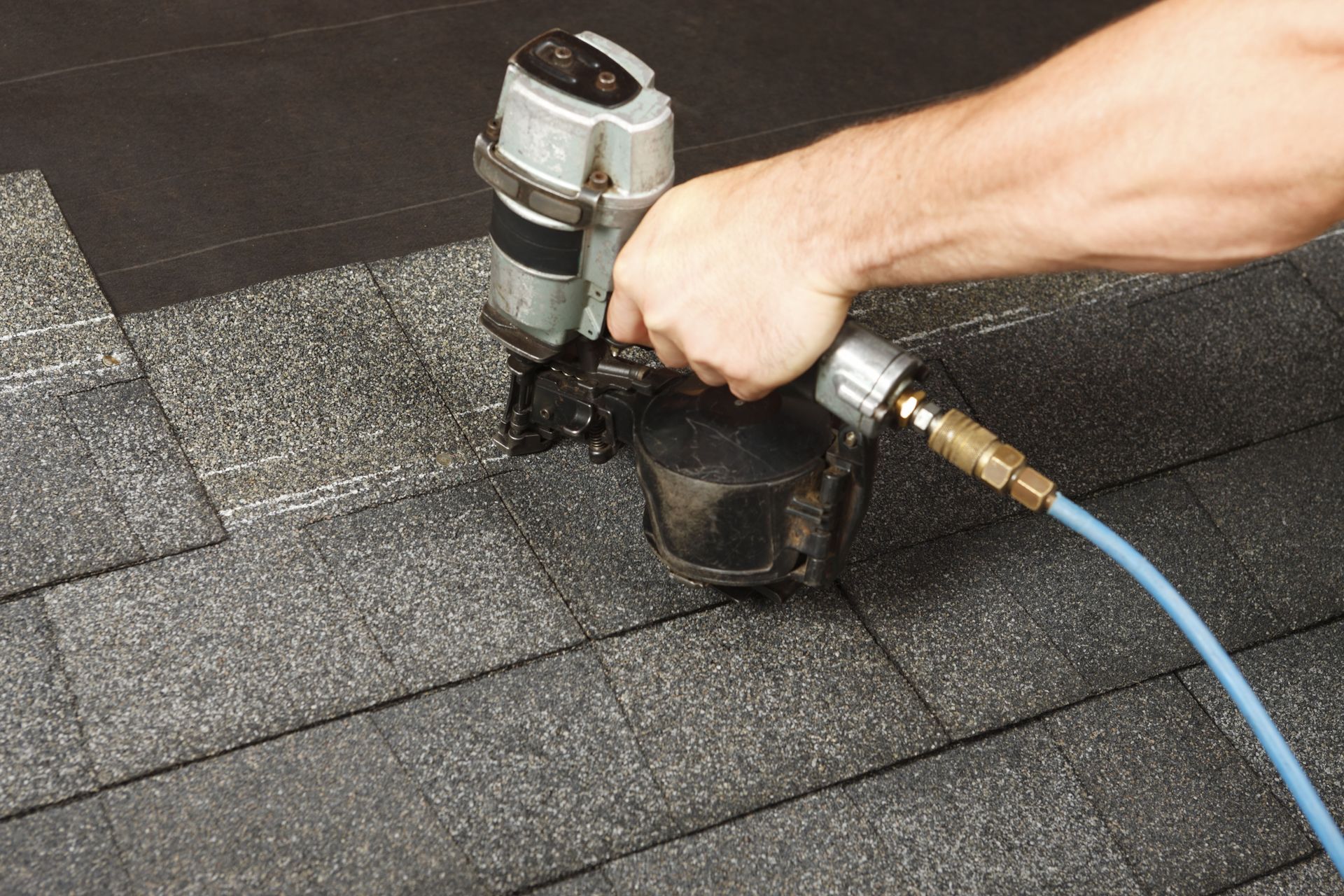
Proper installation is essential to maximize material performance. Even high-quality roofing materials can underperform if not installed correctly. Working with experienced professionals ensures that manufacturer specifications are followed and structural requirements are met. Reroofing projects, in particular, benefit from careful planning to address existing deck conditions and ventilation needs.
Different materials require varying installation techniques. Asphalt shingles typically allow for efficient installation timelines. Metal systems may involve specialized fastening methods and precision alignment. Tile and slate installations often require structural evaluation due to weight considerations. Homeowners should confirm that contractors have demonstrated experience with their selected material before proceeding with reroofing.
Ventilation and underlayment systems are equally important components of a roofing project. Proper airflow reduces moisture buildup and extends material lifespan. During reroofing, contractors can evaluate attic conditions and recommend improvements. Strategic installation decisions help ensure the roof performs effectively for years to come.
Maintaining the Roof With Consistent Inspections
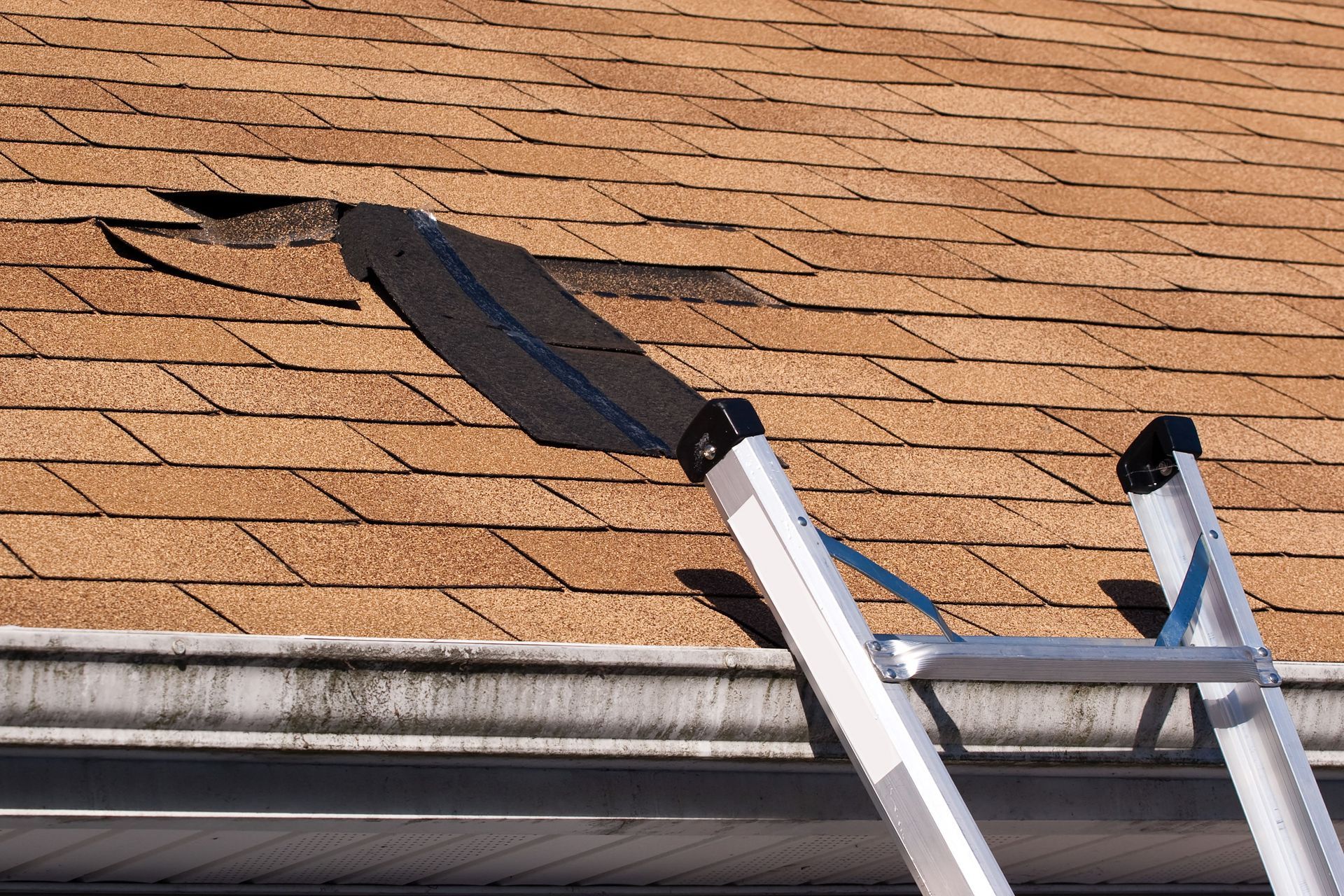
Regular maintenance preserves roofing performance and prevents minor issues from escalating. Annual inspections can identify loose shingles, sealant wear, or drainage concerns. Homeowners who plan proactive reroofing schedules often experience fewer emergency repairs. Preventive maintenance supports long-term durability and protects interior spaces from water intrusion.
Cleaning gutters and downspouts is essential to maintain proper drainage. Blocked water flow can cause roof edge deterioration and structural damage. After reroofing, maintaining clear drainage systems supports optimal performance. Prompt repairs are also important, as small leaks can quickly expand if left unaddressed.
Seasonal weather events may require additional attention. High winds, heavy rain, or hail can impact roofing components. Establishing a maintenance routine ensures issues are detected early. A well-maintained roof reduces the likelihood of premature reroofing and supports consistent protection.
Navigating Building Codes With Regulatory Requirements
Local building codes influence roofing material selection and installation standards. These regulations establish safety benchmarks and structural guidelines. Homeowners should verify compliance before beginning any reroofing project. Failure to meet requirements can result in delays or additional expenses.
Permit processes vary by location but often require documentation and inspections. Working with experienced contractors simplifies compliance. Professionals familiar with regional standards can guide homeowners through reroofing approvals and ensure adherence to code requirements. This coordination reduces administrative challenges and supports efficient project completion.
Homeowners associations may also impose guidelines regarding material type or color. Reviewing community regulations before beginning reroofing prevents conflicts and ensures project approval. Staying informed about local standards contributes to smoother execution and long-term satisfaction.
Making an Informed Decision With Strategic Planning
Choosing the right roofing material requires balancing durability, cost, climate suitability, and design preferences. Each factor plays a meaningful role in determining overall performance and long-term value. Reroofing projects provide an opportunity to reassess current roof conditions and implement improvements aligned with future goals. Careful comparison of material characteristics ensures a confident selection process.
Homeowners should evaluate both short-term affordability and long-term investment outcomes. Considering maintenance requirements and energy efficiency supports sustainable decision-making. Reroofing should not be viewed solely as a repair but as a strategic home improvement opportunity. A well-chosen material enhances protection while contributing to property value.
Professional guidance can simplify the selection process and ensure accurate installation. Experienced contractors provide insight into material compatibility, structural considerations, and local compliance requirements. When planning reroofing, partnering with knowledgeable specialists improves results and reduces risk. Thoughtful preparation ultimately leads to stronger performance and greater peace of mind.
Selecting roofing materials involves careful evaluation of performance, longevity, design compatibility, and budget considerations. Understanding how each option functions within your climate and property structure supports informed decision-making. Reroofing projects offer a valuable opportunity to upgrade protection, improve efficiency, and enhance curb appeal. With the right planning and professional support, homeowners can secure lasting value and dependable performance. For expert guidance, quality materials, and professional installation tailored to your home, contact Sequoia Roofing and Construction today.