January 15, 2026
A roof plays a major role in protecting your home, safeguarding your property value, and maintaining the long-term durability of your structure. When signs of wear or damage appear, the question many homeowners face is whether to repair the roof or replace it entirely. The choice is rarely simple. It requires understanding the condition of your roofing materials, evaluating potential risks, and determining which option provides the best long-term investment. Working with a residential roofing company can help clarify the decision, but having a strong foundation of knowledge beforehand empowers you to feel confident in the direction you take. This guide will break down the essential considerations involved in both repairing and replacing your roof so you can make the right choice for your home and your budget.
Understanding the Signs of Roof Damage
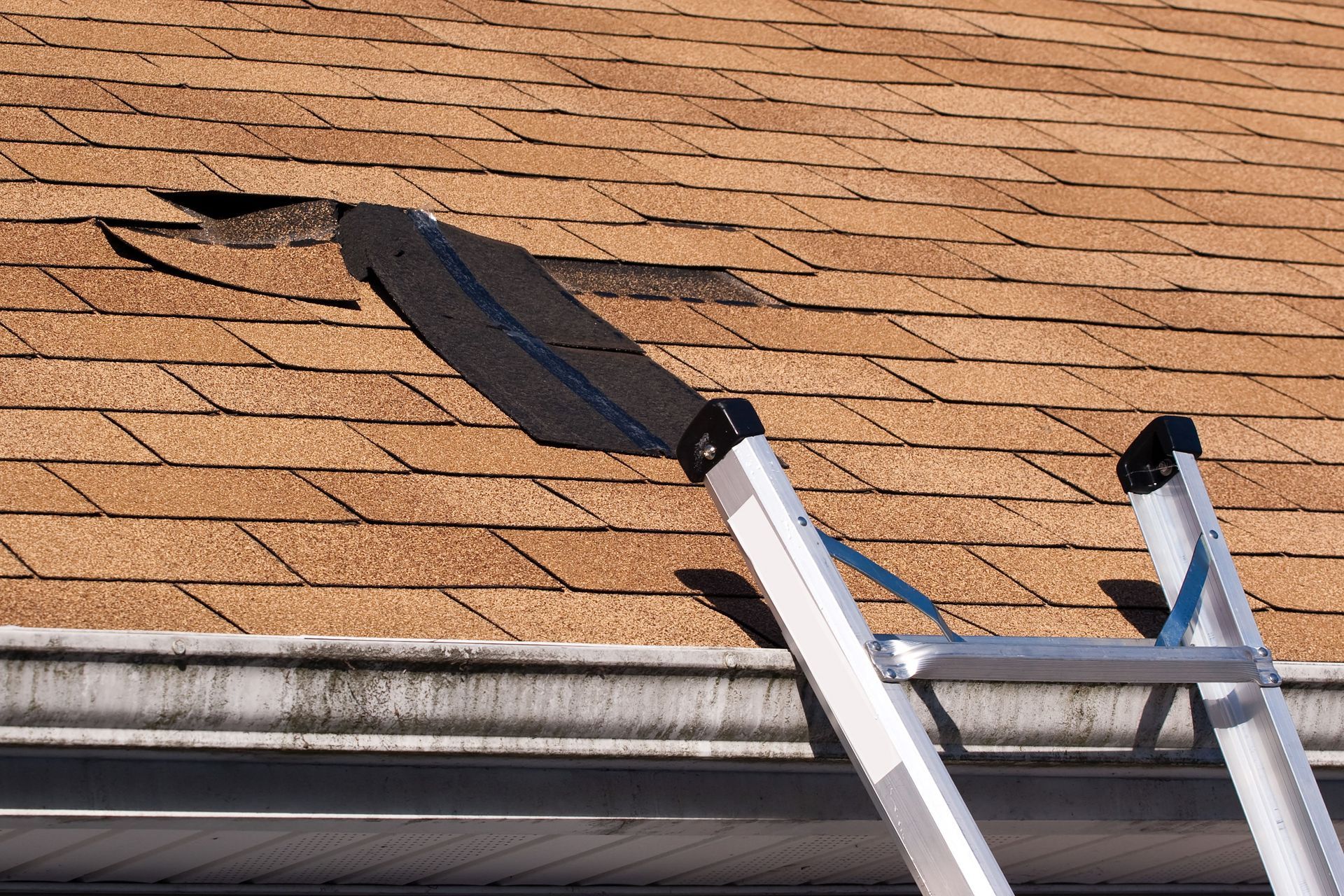
Before deciding between repair or replacement, it is crucial to identify what type of roof damage you are dealing with. Some issues are superficial or localized, while others indicate deeper structural concerns. Shingle deterioration, missing shingles, curling edges, or cracked materials often point to general aging but not necessarily the need for a total replacement. A residential roofing company can assess whether these issues threaten the integrity of the roof or can be resolved through targeted fixes.
More serious signs include sagging areas, soft spots in the decking, or extensive moisture penetration in the attic. Leaks that appear in multiple rooms may indicate that the underlayment or decking has been compromised. Mold growth or damp insulation is another major indicator that water has been entering the home for some time. According to GAF, roof systems should be inspected at least twice annually—once in the spring and again in the fall. These regular inspections help catch developing issues early and allow homeowners to address problems before they worsen.
Comparing the Benefits of Roof Repair
In many cases, repairing the roof is the most practical and cost-effective solution, especially when damage is limited to a small section. Repairs can address issues such as replacing a few missing shingles, sealing openings around vents or chimneys, fixing flashing, or resolving minor leaks. When the overall roof structure remains strong, these repairs can extend the lifespan of your existing roofing system at a fraction of the cost of a full replacement.
Another benefit of repair work is the minimal disruption it creates for homeowners. While a roof replacement can take several days or more depending on the size and complexity of the project, repairs are typically completed in a shorter timeframe. A residential roofing company can often diagnose the issue and perform the necessary repair in the same visit, minimizing downtime and inconvenience.
Roof repairs also make sense when your roof is still within its expected lifespan. If your roofing material is only halfway through its projected service life, it may not be financially sensible to replace it prematurely. Instead, strategic repairs help you maximize the value of the original installation. However, it is important to remember that repairs are only effective when the underlying system is healthy. Covering up widespread deterioration can lead to costly problems later.
Evaluating the Benefits of Roof Replacement
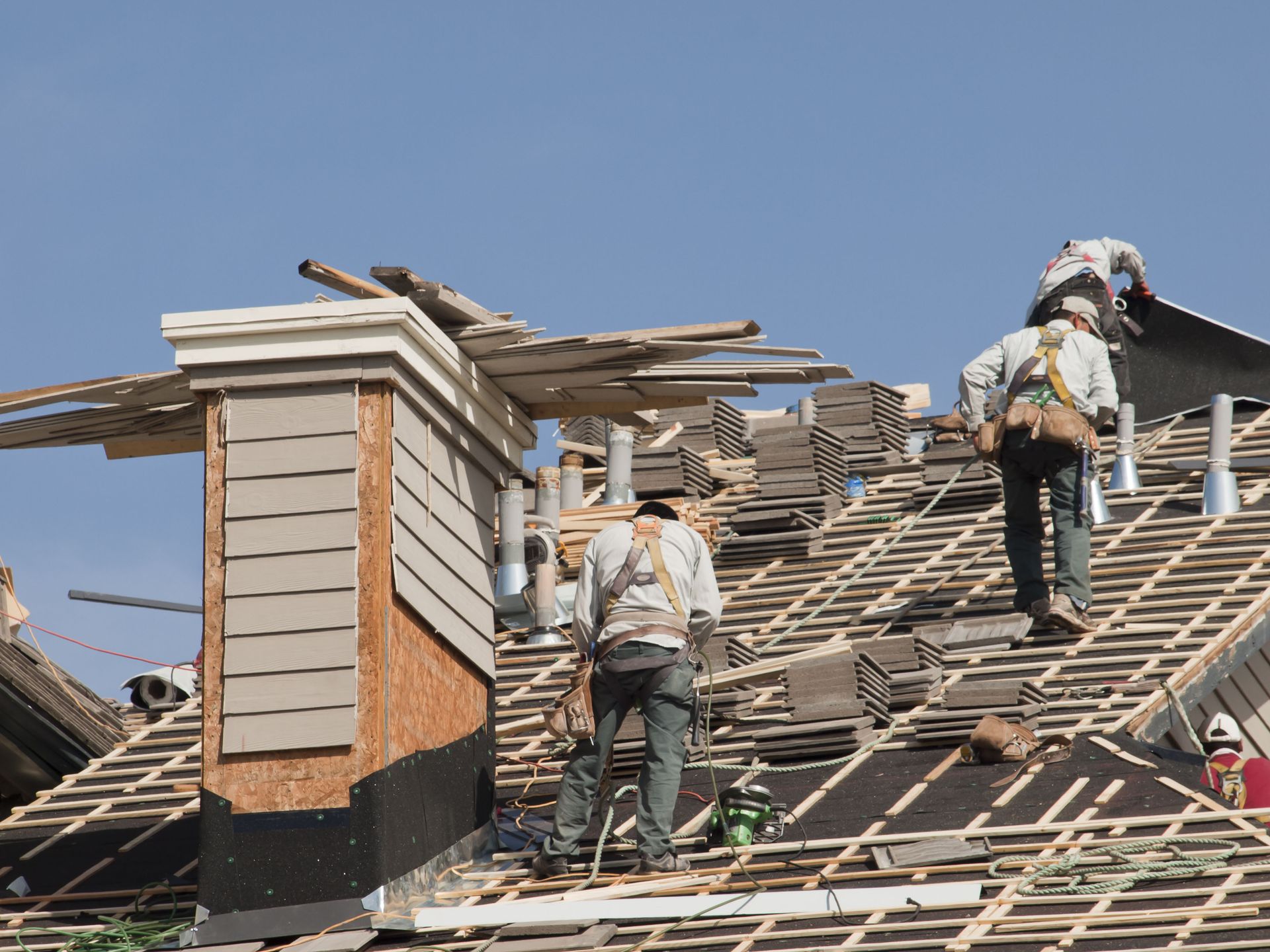
There are scenarios where replacing the roof is a wiser investment, even if repairs may seem like a temporary solution. One of the most compelling reasons for replacement is age. If your roof is approaching or exceeding its expected lifespan, continuous repairs may no longer be practical. Replacing the entire roof allows you to start fresh with new materials, stronger underlayment, and the opportunity to upgrade to more efficient roofing systems. A knowledgeable residential roofing company can explain which materials offer the best durability and return on investment.
Another major advantage of replacement is the comprehensive protection it provides. When a roof has multiple leaks or extensive shingle damage, simply repairing sections may not address moisture trapped beneath the surface. Moisture can weaken decking, cause mold growth, and threaten the structural integrity of your home. A complete replacement removes these compromised layers, ensuring a safer and more reliable system moving forward.
A new roof can also enhance your home’s curb appeal and resale value. Buyers often prefer a home with a recently installed roof since it eliminates the need for immediate maintenance and gives them peace of mind. For homeowners planning to sell, installing a new roof can serve as a strong selling point. Additionally, updated roofing materials may be more energy-efficient, which can reduce heating and cooling costs over time—making replacement not just a protective measure but also an investment in long-term home efficiency.
Considering Cost Factors in the Decision-Making Process
Cost is one of the biggest factors homeowners weigh when deciding between repairing or replacing a roof. Repairs are typically more affordable upfront, but that does not always mean they are the best long-term value. If your roof requires frequent repairs due to ongoing deterioration, those costs can accumulate quickly. A residential roofing company can provide a detailed estimate comparing the short-term and long-term financial implications of each option.
Insurance coverage can also influence the decision. Some types of storm damage may be covered by homeowner’s insurance, which can significantly reduce the cost of replacement. However, insurance companies often require evidence that the damage justifies replacement rather than repair. Documented inspections, photographs, and professional evaluations become essential in these cases.
Material choice plays another important role in cost. Asphalt shingles, metal roofing, and tile all vary in price and longevity. While budget considerations are important, choosing low-quality materials to save money upfront can lead to premature failure and more expenses in the future. It’s essential to strike a balance between affordability and performance. Working closely with a residential roofing company ensures the selected materials meet your expectations for durability, appearance, and overall value.
Assessing Safety, Energy Efficiency, and Long-Term Performance
Beyond the immediate condition of your roof, safety and energy efficiency should also play a major role in your decision. Roofs experiencing widespread deterioration can pose structural risks, especially in severe weather conditions. Additionally, compromised roofing systems allow moisture to infiltrate insulation, electrical systems, and attic spaces, increasing the risk of mold, weakened structural elements, and electrical hazards. These risks often make replacement the better choice when safety concerns are present.
Energy efficiency is another significant factor. Older roofing systems may lack proper ventilation, modern reflective coatings, or newer underlayment technologies. A new roof can greatly improve your home’s energy performance by helping regulate temperature more effectively, reducing strain on your HVAC system, and lowering monthly utility bills. Investing in a replacement may ultimately save more money over time when energy costs are considered.
A new roof also delivers long-term performance benefits. With proper installation, regular upkeep, and professional inspections, homeowners can expect decades of reliable protection. Repairs, by contrast, may only delay more extensive issues if the roof is nearing the end of its life. By partnering with a qualified residential roofing company, you gain clarity on whether repairs or replacement will provide the most dependable and cost-effective solution for your home.
Choosing whether to repair or replace your roof is a significant decision that depends on the age of your roof, the extent of the damage, cost considerations, and your long-term goals as a homeowner. While repairs can efficiently resolve localized issues, replacement is often the smarter investment when deterioration is widespread or structural concerns are present. Working with a professional ensures the decision is informed, practical, and aligned with the best interests of your home. To explore your roofing options or schedule an evaluation, contact Sequoia Roofing & Construction.