April 27, 2026
A strong roof plays a critical role in protecting your home from weather, moisture, and long-term structural issues. When small issues are ignored, they often escalate into costly repairs that affect both interior comfort and property value. That’s why recognizing early warning signs matters more than most homeowners realize. At Sequoia Roofing and Construction, we focus on roofing, general construction, siding, and gutters, offering free estimates within 24 hours, emergency repair services, and 50-year manufacturer-backed warranties to help protect your home long-term. In many cases, the difference between a simple repair and major damage comes down to timing and knowing when to contact a residential roofing contractor.
1. Identify Visible Roof Damage
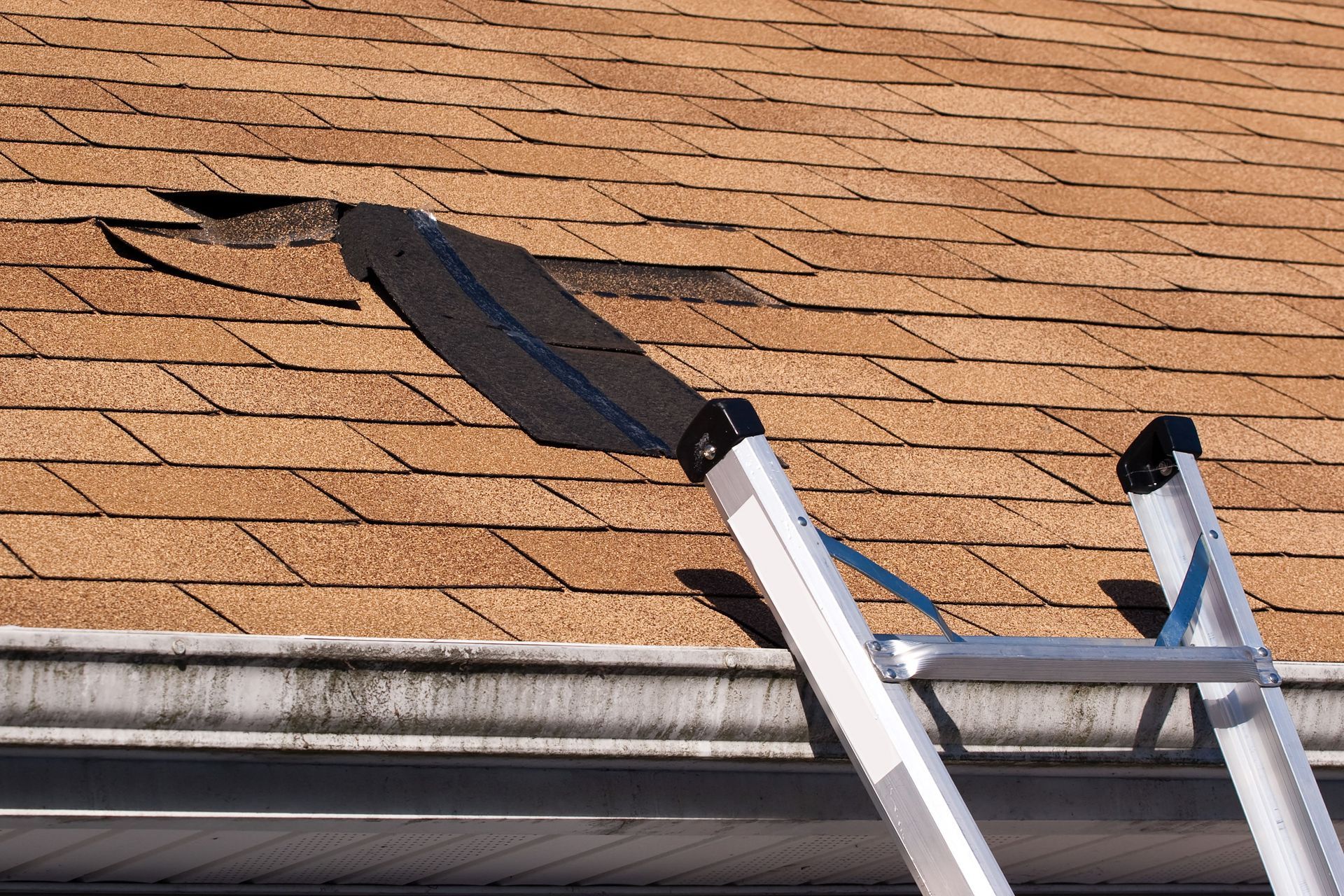
Visible roof issues are often the first and most obvious indicator that your system needs attention. Missing shingles, curling edges, or cracked surfaces usually signal aging materials or exposure to severe weather conditions. When we inspect homes, these signs often point to deeper problems beneath the surface that aren’t immediately visible from the ground. Even small gaps can allow water intrusion that weakens the roof structure over time.
Inside the home, stains on ceilings or walls often indicate that moisture has already made its way through protective layers. Sagging roof lines or uneven areas can suggest trapped moisture or compromised structural support. These issues should never be ignored, as they tend to worsen quickly once they begin. In many cases, homeowners wait until visible damage spreads before contacting a residential roofing contractor, which often increases repair complexity.
Debris buildup, like branches, leaves, or moss, can also trap moisture and accelerate deterioration. Regular inspections help prevent minor concerns from turning into full replacements. According to Market Data Forecast, residential roofing holds a majority share of the U.S. roofing market at 60%–62%, reflecting how common these issues are across homes nationwide. When we evaluate roof surfaces early, we help prevent avoidable long-term damage and restore system performance efficiently.
2. Recognize Leaks and Water Damage
Water intrusion is one of the most serious warning signs that a roofing system is failing. Interior stains, peeling paint, or damp drywall often point to an active leak that requires immediate attention. Once moisture enters the home, it can spread quickly through insulation, framing, and ceiling materials. At this stage, contacting a roofing contractor becomes essential to limit further structural impact.
Musty odors or visible mold growth inside the attic or upper rooms often indicate long-term moisture exposure. These conditions typically develop when small leaks go unnoticed for extended periods. In some cases, homeowners also hear dripping sounds during rainfall, which is a clear sign that water is moving through unintended pathways. These symptoms should always be treated as urgent.
Standing water or pooling on the roof surface can also signal drainage issues that lead to long-term deterioration. When water does not properly exit the system, it begins breaking down roofing materials and weakening underlayers. We frequently see cases where early leak detection could have prevented widespread interior damage. A roofing contractor can evaluate both visible and hidden moisture concerns to restore proper roof function before conditions worsen.
3. Evaluate Roof Age
Roof age is one of the most reliable indicators of when replacement or major repair work may be needed. Most roofing systems are designed to last between 20 and 30 years, rs depending on materials and environmental exposure. As the system approaches this range, deterioration becomes more noticeable even if damage is not immediately visible. At this stage, a residential roofing contractor can help determine whether repairs are still effective or if replacement is more practical.
Older roofs often show signs of weakening, such as granule loss, brittle shingles, and reduced weather resistance. These changes can impact energy efficiency by allowing heat transfer through the roof structure. As materials degrade, homeowners may also notice increased utility costs due to reduced insulation performance. This gradual shift is often overlooked until expenses begin to rise consistently.
Frequent repairs are another indicator that the roof may be reaching the end of its service life. When maintenance becomes repetitive, it often signals that underlying materials are no longer performing effectively. In these situations, continued patchwork can become less efficient than a full system update. A roofing contractor can provide a clear assessment of remaining lifespan and help plan the next steps based on condition and budget.
4. Monitor Increased Energy Bills
A sudden rise in energy costs can often be traced back to roofing issues that affect insulation and ventilation. When the roof system is compromised, heated or cooled air escapes more easily, forcing HVAC systems to work harder. This added strain leads to higher monthly utility expenses that may seem unrelated at first glance. A residential roofing contractor can help identify whether roof performance is contributing to these changes.
Poor ventilation is a common cause of energy inefficiency. When airflow is restricted, heat builds up in the attic during warmer months, increasing indoor temperatures. In colder seasons, heat loss through the roof can make it difficult to maintain consistent comfort levels. These fluctuations place unnecessary pressure on heating and cooling systems.
Damaged or aging roofing materials can also create small openings that allow air transfer between the interior and exterior environments. Over time, these gaps reduce overall efficiency and increase operational costs. When energy bills begin rising without a clear explanation, the roof condition should be evaluated as part of the diagnostic process. Addressing these concerns early helps restore efficiency and reduce long-term expenses.
5. Inspect Exterior Signs of Roof Damage
Exterior conditions often reveal important clues about the overall health of a roofing system. Peeling paint, warped siding near roof edges, or deteriorating fascia boards can indicate moisture problems originating above. These signs typically develop gradually and may go unnoticed until damage becomes more advanced. A residential roofing contractor can assess how exterior symptoms relate to underlying roof conditions.
Flashing damage is another critical concern. When metal components used to seal roof joints become loose or corroded, water can enter vulnerable areas of the structure. This often leads to hidden leaks that spread internally before becoming visible. Missing or damaged flashing should always be addressed promptly to prevent further deterioration.
Gutter performance also plays a key role in roof health. When gutters become clogged or detached, water can overflow and collect near the foundation or roof edge. This increases the risk of structural damage and material decay. We often find that consistent exterior maintenance helps extend roof lifespan significantly when issues are addressed early.
6. Assess Storm Damage
Severe weather can create immediate or hidden damage that affects long-term roof performance. High winds may lift shingles or loosen protective layers, while hail can create impact marks that weaken surface integrity. Even when damage is not visible from the ground, underlying issues may still exist. A residential roofing contractor is essential for evaluating post-storm conditions accurately.
Heavy rain can expose weaknesses in drainage systems, especially if debris blocks proper water flow. When water accumulates instead of draining, it can begin breaking down roofing materials. Lightning or falling debris during storms may also cause localized structural damage that worsens over time if not inspected.
After major weather events, we often recommend a full roof evaluation to identify any compromised areas. Early detection helps prevent minor storm damage from turning into extensive repairs. Quick response also helps protect interior spaces from secondary water intrusion and structural wear.
Recognizing early warning signs helps protect your home from unnecessary damage and unexpected repair costs. Whether the issue is visible wear, water intrusion, aging materials, or storm-related impact, timely action makes a significant difference in long-term performance. A residential roofing contractor provides the expertise needed to evaluate conditions accurately and recommend the right solution for your home.
At Sequoia Roofing and Construction, we provide comprehensive roofing support along with general construction, siding, and gutters services designed to strengthen and protect your home. With free estimates within 24 hours, emergency repair services available, and 50-year manufacturer-backed warranties, we help homeowners respond quickly and confidently when roofing issues arise. When you notice the early signs, contacting a residential roofing contractor ensures your home stays protected, efficient, and structurally sound.